The community
is the faculty
The conventional school produces employees. It organises learning by subject rather than by question. It separates children from productive adult life. The Ground is designed on the same principles as everything else at ARDEN: the environment itself teaches.
Nothing taught that does not serve
The educational equivalent of the Superhuman Market principle. Every lesson has a real application.
The land is the curriculum
Mathematics through farm budgets. Biology through the food chain. Chemistry through fermentation. Physics through solar systems.
Technology follows the precautionary principle
Adopted when it genuinely serves learning, not because it is new.
Assessment is honest
A teacher who cannot describe in words what a child knows and can do has not been paying attention.
"A child who has spent ten years working alongside adults on a real farm, managing real consequences, producing real food, and being treated as a capable person does not need to be told that learning matters. They have never experienced it any other way."
A complete journey from
curiosity to capability
The Nest
Outdoor-based, screen-free, nature-immersive early childhood. Children follow the rhythm of the farm day — early morning animal feeding, morning circle at sunrise, outdoor play through the orchard, rest in the heat of the day.
The Field
Mixed ages across the full 6-10 band. Three mornings per week on the farm — rotating through cattle, aquaculture, orchard, fermentation, and processing. Two mornings of structured learning: reading, writing, mathematics taught through real community applications.
The Workshop
The most important stage. Each student takes on a stewardship role — a real responsibility within the community, held for a full year. Not a project. A job. With real consequences.
The Studio
Students are treated as junior practitioners, not senior students. They work alongside adult community members on real problems — designing crop rotation, analysing energy data, contributing to medical research, building infrastructure.
The world does not need more graduates
who know how to pass tests
What The Ground does not include
The Ground operates fully within Australian law. Stages 1-3 operate under Queensland's home education provisions. Stage 4 seeks registration as an independent school, delivering the Australian Curriculum through project-based methodology — exactly how accredited alternative schools across Queensland already operate.
Where Learning Comes Alive
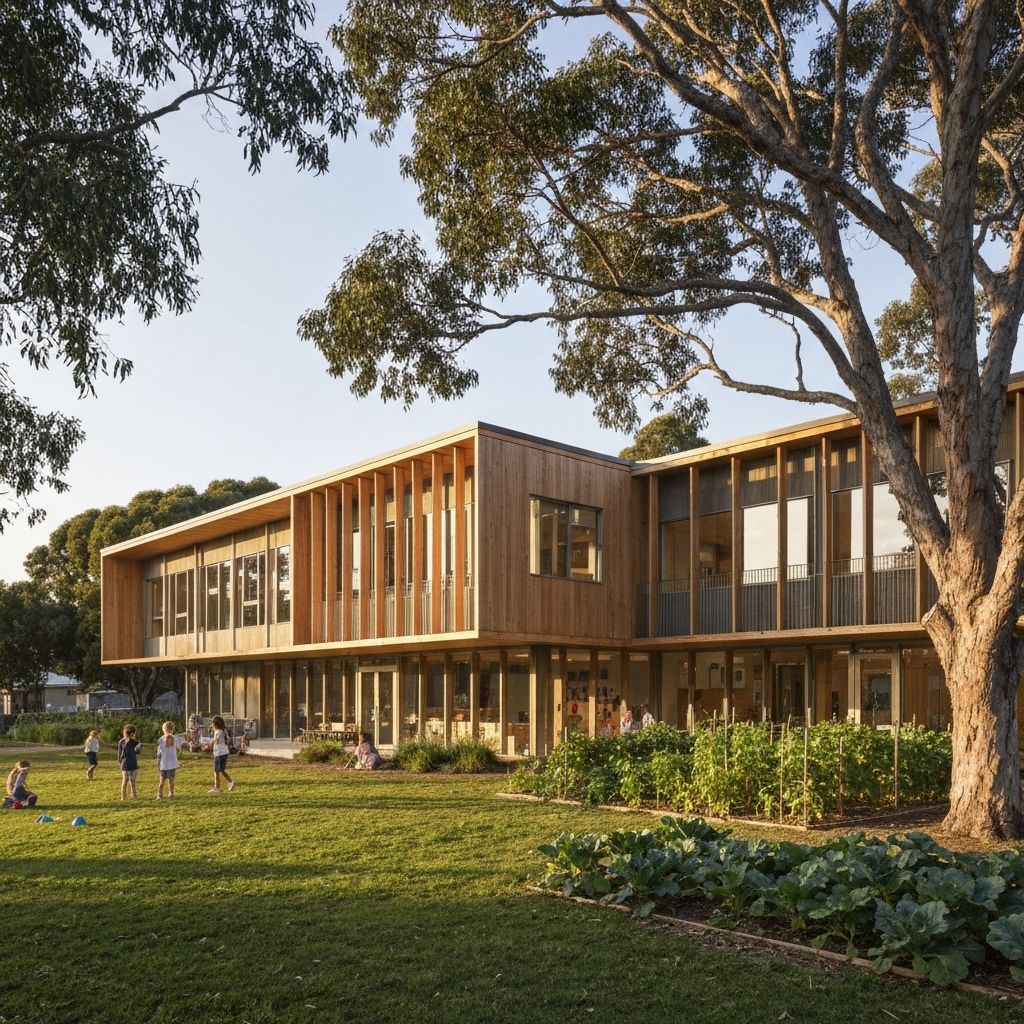
The Ground Campus
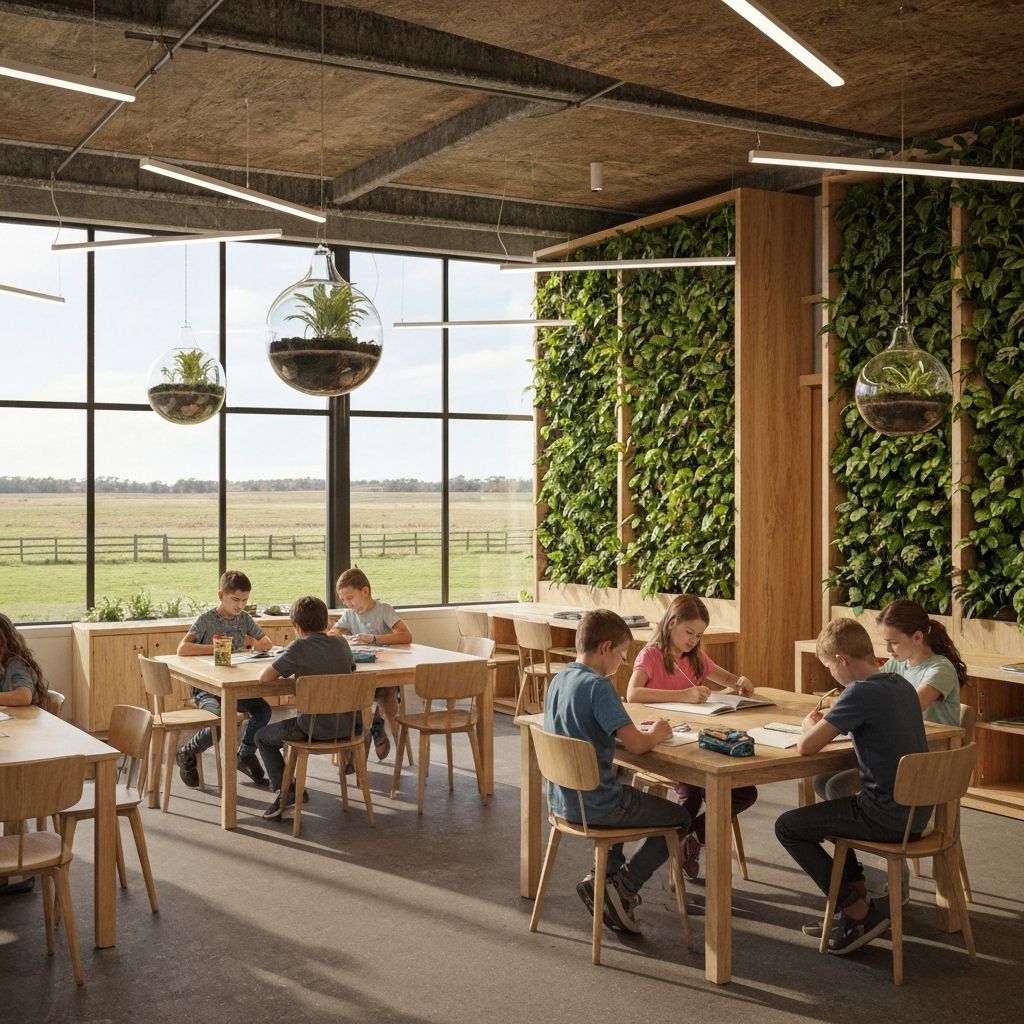
Learning Spaces
Graduates enter TWL as
practitioners, not students
A child who completes The Ground at 16 arrives at Tomorrow's World Leaders not hoping to impress — but as someone who already knows what it means to be responsible for something real.